

Dog enrichment toys are really important for your dog. They help stop your dog from getting bored and doing things. They also keep your dog active and happy.. You cannot just pick any toy from the store.
Key Takeaways
- Dog enrichment toys are good for your dog because they help your dog solve problems and behave well. They make your dog feel better when you choose the toy for your dogs age and size and how much energy your dog has.
- Some toys provide better behavioral outcomes than others—scent-infused toys, for example, can significantly reduce mouthing behaviors compared to unscented variants (source).
- We do not know much about if these toys are safe to use for a long time or if they are good value, for money. We also do not know what people think of these toys. So you have to be careful and do your research when you pick dog enrichment toys for your dog.
- What Are Dog Enrichment Toys and Why Do They Matter?
- Step-by-Step Guide: Choosing and Using Enrichment Toys
- Advanced Analysis & Common Pitfalls
- Conclusion
- Frequently Asked Questions
What Are Dog Enrichment Toys and Why Do They Matter?
Dog enrichment toys are things that help keep your dogs mind busy. They get your dog to use their instincts and use up energy in a good way. These toys are different from the chew toys. Dog enrichment toys like Puzzle Feeders and treat-dispensing balls and snuffle mats really make your dog think and figure things out. They are good for your dogs mind.
These toys can help with problems your dog might have like when they’re home alone for a while or when they have a lot of extra energy. Dog enrichment toys are an idea, for dogs that need something to do. Dog enrichment toys can make your dog happier and calmer.
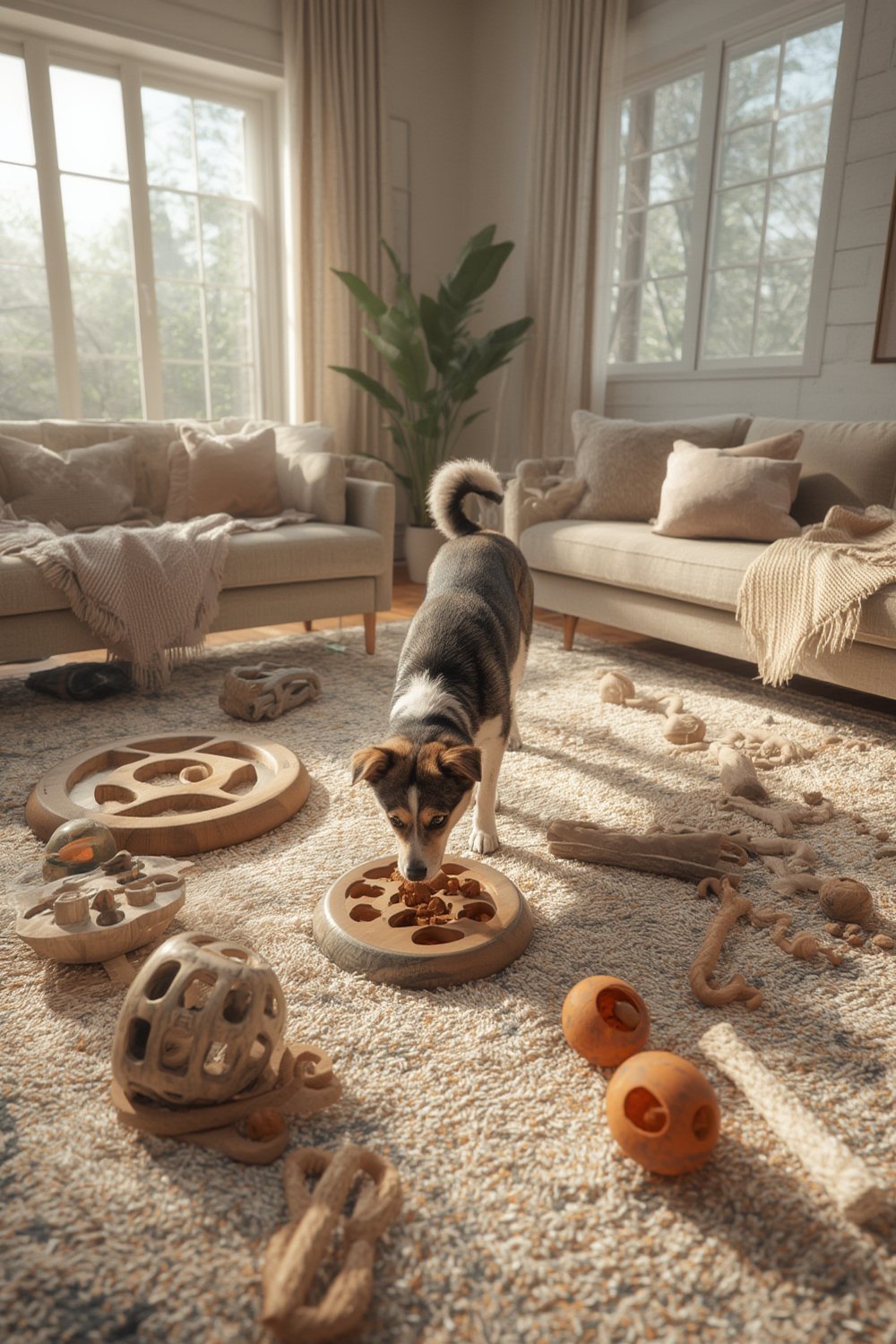
When a dogs mental needs are not taken care of the dog gets bored. This is when the dog starts chewing things it should not chew barking much and doing things because it is anxious. People who study dogs think that toys that make the dog work to get a treat or smell something are really good. These toys use the dogs instinct to search for food. One study found that when people gave their dogs toys, with smells the dogs stopped chewing things they should not chew by thirty percent. This happened because the dogs were using the toys. The dogs natural instinct to search for food is used by these toys.
Enrichment is not limited to puppies or hyper-active breeds. Senior dogs, urban pets with restricted outdoor access, and even anxious or shy dogs benefit. A thoughtful selection of enrichment toys not only curbs problematic habits but also enhances your dog’s cognitive health long term.
For more deep dives into the best dog products and accessories, see our curated dog products guide.
Step-by-Step Guide: Choosing and Using Enrichment Toys
- Assess Your Dog’s Age, Size, Temperament, and Needs
- Age: Puppies need lighter, more responsive toys; adults and high-energy dogs often do better with more challenging or exercise-driven toys (source).
- Size/Strength: Choose sturdy, large toys for strong chewers and large breeds, and smaller, gentler toys for smaller dogs.
- Temperament: For nervous or anxious dogs, start with gentle Snuffle Mats or simple treat dispensers. For confident, problem-solving dogs, graduate to multi-step puzzle toys.
- Select the Right Toy Types
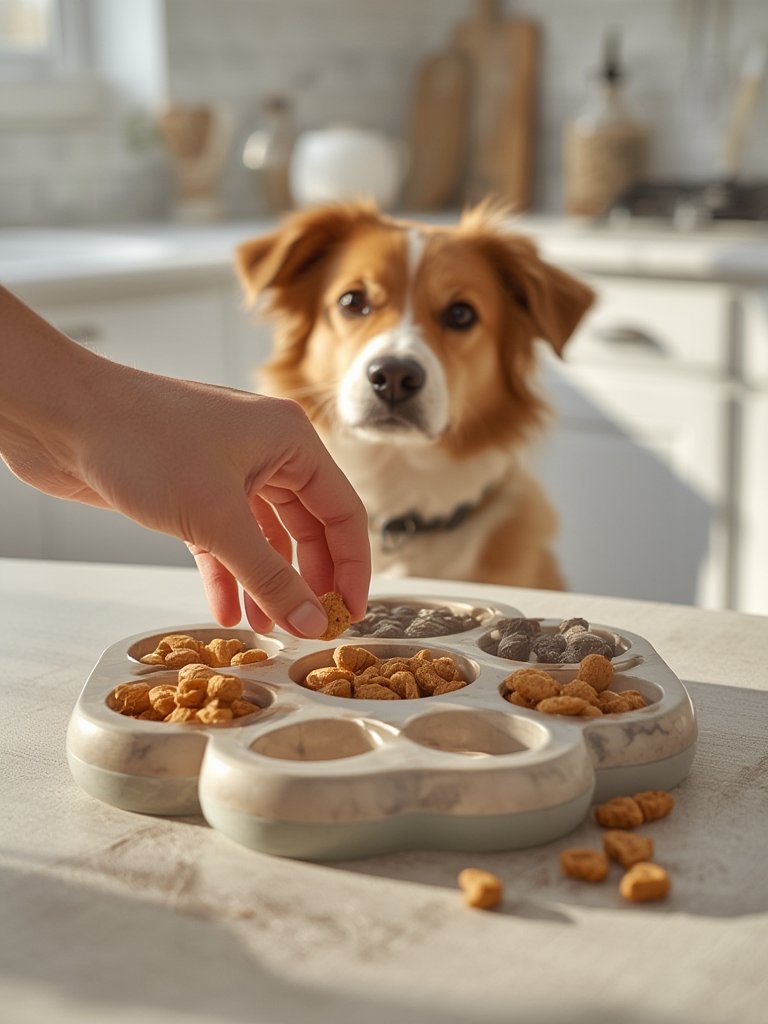
- Puzzle Feeders: For mental workouts and slow feeding, great for all energy levels.
- Snuffle Mats: Encourage natural foraging and sniffing; ideal for calming busy minds indoors.
- Treat-Dispensing Balls/Launchers: Combine food rewards with exercise.
- Chew Toys (including scent-infused): Divert chewing away from household items.
- Supervise Play—Safety Comes First
- Always supervise your dog’s first few interactions with a new toy.
- Routinely inspect toys for wear, missing pieces, or sharp edges.
- Avoid toys too small for your dog, as these pose choking risks.
- Rotate and Refresh Frequently
- Dogs quickly lose interest in toys left out all day. Rotate a set of 3–5 enrichment toys to keep novelty and engagement high.
- Add new scents, treats, or switch up toy locations for extra stimulation.
- Monitor Results & Adjust
- Track signs of boredom, destructive chewing, and anxiety before and after introducing enrichment toys.
- Note which toys yield the most positive behavior change.
If you’d like to create an even more tailored enrichment strategy, check out our guide to dog probiotics and prebiotics to support digestion along with mental health.
Remember, not all “enrichment” is suited to every dog. If your pet shows frustration, anxiety, or disinterest, scale back difficulty or switch toy types.
For more everyday enrichment inspiration, see our practical dog supplies reviews.
Advanced Analysis & Common Pitfalls
Behavior Change: What the Data Actually Shows
While enrichment toys are estimated to help reduce unwanted behaviors, the science is more nuanced. One controlled study of scented chew toys reported a 28.4% decrease in mouthing and nipping, whereas dogs with non-scented toys actually saw a 16% increase in the same issues (study link). However, about 50% of owners across groups noticed less forbidden item chewing after just a week.
Common Pitfalls to Avoid
- Ignoring Size and Age Suitability: Market research shows smaller toys are popular for versatility, but large breeds—and aggressive chewers—need durable, safe toys to prevent breakage or choking (source).
- Leaving Toys Out Indefinitely: Dogs may lose interest and enrichment value drops if toys are not rotated. The strategy is to maintain novelty, using different types as recommended above.
- Overlooking Wear and Tear: No enrichment toy is completely indestructible. Routinely inspect every toy—especially when used by powerful chewers.
- Forgetting About Individual Preferences: Not every dog likes every type of enrichment. It’s normal for your dog to ignore certain toys—experiment to learn what truly motivates them.
Comparing Durability and Cost
| Type | Best For | Durability | Relative Cost | Average Engagement Time* |
|---|---|---|---|---|
| Puzzle Feeder | All breeds/ages | Medium/High (plastic/wood) | $$ | 10-30 minutes |
| Snuffle Mat | Anxious, urban, or small dogs | Medium (fabric) | $ | 10-20 minutes |
| Chew Toy (Scented) | Heavy chewers, puppies | High (rubber/nylon) | $$$ | Varies (supervised) |
| Treat-Launcher/Ball | High energy/athletic dogs | High (plastic/rubber) | $$ | 15-60 minutes |
*Estimated time per session. Actual cost and engagement may vary. Pricing data for 2024 is limited—see manufacturer sites for specifics.
Other Challenges and Gaps
- Lack of Negative Reviews or Recall Data: I found it hard to get information on product recalls or bad reviews for dog toys. This means I have to be extra careful. I check the brands website for updates. Look out for alerts from regulators. I also make sure to inspect toys myself before giving them to my dog.
- No “Perfect Toy” Exists: What my dog likes may change as they get older or if their health or surroundings change. I keep checking if a toy is still working well. I’m not afraid to try new things.
- Customization Is Underexplored: Some big toys offer things like custom scents or adjustable difficulty levels. This is still not common, in 2024. If I want something tailored to my dog I consider making changes at home doing it myself or looking for retail options.
Curious about wellness routines that address digestion along with enrichment? Browse our practical dog digestive supplements guide.

Conclusion
Dog enrichment toys are really important for a dog. When you choose a toy that’s right for your dogs age, breed and personality it helps stop your dog from getting bored. It can even help with behavior that your dog might have.
Some dog enrichment toys with smells in them are especially good, for your dog. You need to watch your dog when they play with these dog enrichment toys. You also need to check the dog enrichment toys to make sure they are not broken.
Every dog is different so you need to try out dog enrichment toys and see what works best for your dog.
If you want to get some dog enrichment toys and learn more about taking care of your dog you can start now. Your dog deserves to have fun and exciting dog enrichment toys to play with every day.
Frequently Asked Questions
Are dog enrichment toys safe for all dogs?
Most dog enrichment toys are safe if you pick the one for your dogs size and how strong they chew. Always watch your dog when they play with a toy and do not give them toys that are too small or have parts that can come off. Check the toys before your dog plays with them to make sure they are not broken.
How do I know if my dog is benefiting from enrichment toys?
If your dog is not chewing on things they should not and they are not barking much and they seem calmer after they play then the toys are probably working. If your dog looks frustrated or bored try giving them a toy or one that is a little harder.
Do puzzle feeders or snuffle mats help with anxiety?
Yes puzzle feeders and snuffle mats can really help dogs that’re nervous or have too much energy. They give your dog something to think about. Can help them feel better. They are not a replacement for training. They can be a big help.
How often should I change my dog’s enrichment toys?
You should change the toys every days so your dog does not get bored. Having a few toys and switching them out can keep things interesting, for your dog. Make sure to wash and check the toys often.
Where can I find expert reviews of the best enrichment toys?
Visit our in-depth dog products reviews for honest comparisons, or check out guides for related wellness aids like dog probiotics for a holistic approach to dog care.