

Key Takeaways
- Recent reviews highlight specific probiotic strains (E. faecium SF68, B. clausii, Lactobacilli blends) that show measurable improvements in cats’ gut health and stool quality.
- No large consumer survey or veterinary data quantifies how many cats experience benefits, and negative side effects remain rare but underreported.
- Real-world use hinges on finding veterinarian-trusted products, monitoring results, and being aware of gaps in science and product transparency.
The Core Concept: What Are Cat Probiotics for Digestive Health and Why Do They Matter?
Cat probiotics for digestive health are supplements containing live microorganisms, such as certain bacteria and yeast, that—once ingested—aim to restore or maintain a healthy balance of gut flora in cats. The theory and growing research suggest that these products can make a real difference for cats experiencing loose stool, irregular bowel movements, post-antibiotic gut upset, or chronic digestive problems.
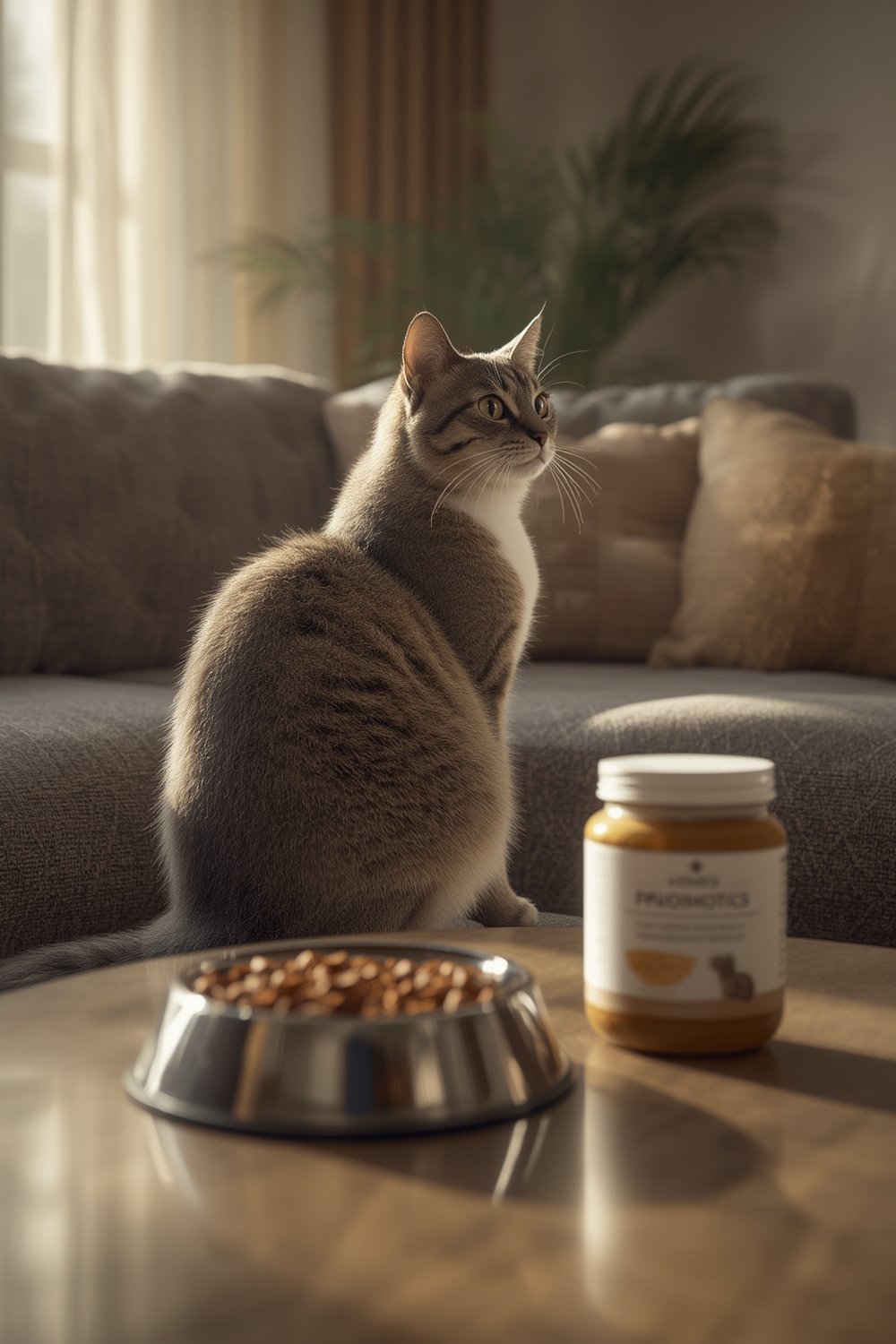
Why is this relevant right now? Newer studies from 2022 to 2024 have pinpointed specific strains (like Enterococcus faecium SF68, Bacillus clausii, and proprietary blends such as SLAB51™) that led to reduced diarrhea episodes, improved stool quality, less vomiting, as well as better overall gut recovery post-antibiotic courses for many cats. For instance, SLAB51™ and E. faecium SF68 rapidly reduced GI symptoms.
The digestive system is core to a cat’s immunity, nutrient absorption, and daily comfort, so getting the gut in balance can also mean improved energy, coat, and even mood. Despite strong reviews of some strains, there are gaps: no published rates for how many cat owners see real-life success, uncertainty about long-term use, and a lack of transparency about what sets top products apart.
If you want to learn about different cat care products or see our bird products guides, our in-depth reviews can help you make more informed choices for all your pets.
Step-by-Step Guide: How to Safely Use Cat Probiotics for Digestive Health
Are you ready to try probiotics for your cats health? Here is how to get started and maximize safety and efficacy.
Research probiotic strains and blends that are backed by science.
* Focus on products with Enterococcus faecium SF68 Bacillus clausii, Lactobacillus acidophilus D2/CSL or SLAB51 blends. These strains often give results in studies.
* Be wary of products that make claims without showing which strains they use or links to research.
When checking the product:
* Look for the CFU count the type of strain and a simple list of ingredients.
* If your cat is sensitive avoid products with flavorings, artificial sweeteners or fillers.
* A good product will have strains like E. Faecium or B. Clausii and directions on how to store and use it.
Before giving it to your cat:
* Get your vets approval.
* Start with a dose, half of what is recommended for a few days.
* Watch for any vomiting, diarrhea or changes in behavior.
* Most cats take probiotics well. Starting slow can help prevent problems.
Give the probiotic at the time every day:
* Try to give it with food to protect the bacteria from stomach acid.
* Keep track of any changes, in your cats stool, energy or appetite.
* You might see improvement in a days especially if you’re using it for diarrhea.
If you notice any problems:
* If diarrhea, constipation or vomiting gets worse. Talk to your vet.
* If your cat is getting better discuss with your vet how long to keep giving the probiotic.
* Sometimes you only need to give it for a time but some gut issues might need ongoing help.
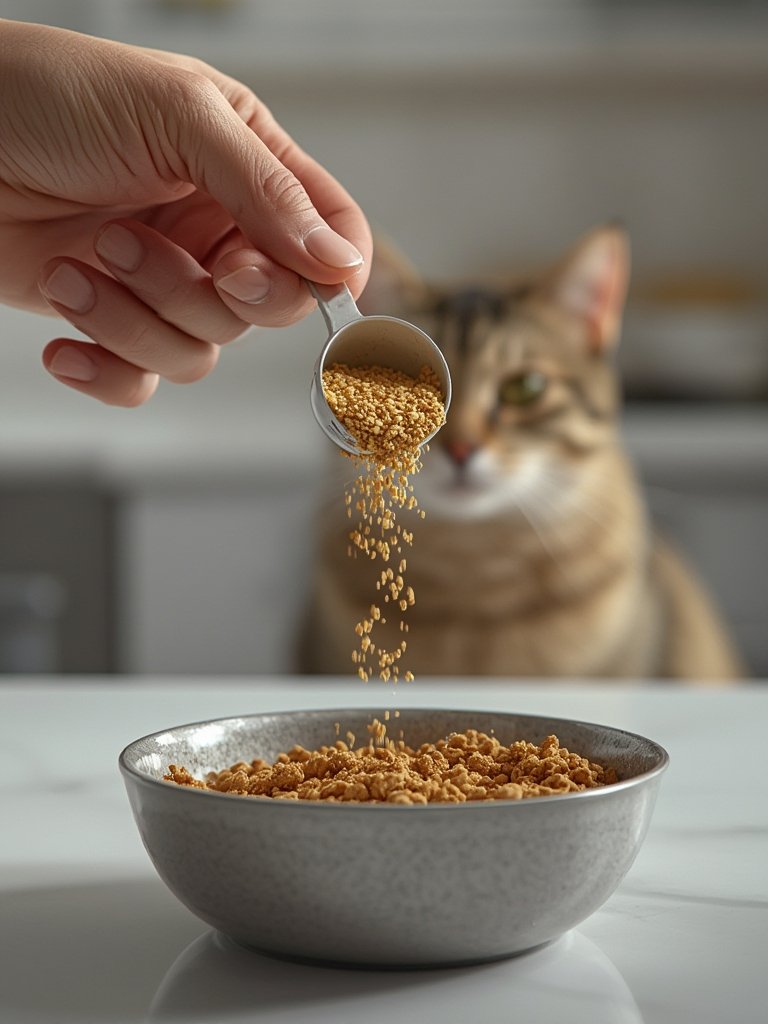
When you want to compare digestive health products for your cat or dog you should take a look at what our experts have to say about cat supplies and dog products that are good, for digestive health.
Storage is important too: most probiotics work well when they are kept in an dry place. Sometimes you even need to put them in the fridge. You should check the label to see what it says. You should never use probiotics that’re past their expiration date because they will not work as well. The potency of probiotics goes down fast.
Advanced Analysis & Common Pitfalls in Using Cat Probiotics for Digestive Health
Even though some studies have shown that certain probiotics can help cats there are some issues and misunderstandings that you should think about before giving your cat a supplement:
- Lack of Standardization: Many probiotic products do not list the strain how many good bacteria are in it when you use it or where the ingredients come from.
- No Owner Success Data: There are no studies that say what percent of cat owners see benefits from giving their cats probiotics. It seems to work for each cat.
- No Negative Reviews in Clinical Trials: Big studies say that probiotics like B. Clausii or E. Faecium SF68 do not have side effects but that does not mean your cat will not have a reaction.
- Commercial Recommendations Absent: Product reviews tell you which probiotic strains work, but not which brands; many popular probiotics on Amazon or Chewy do not have proof that they help cats.
- No Long-Term Safety Data: There is no proof that probiotics harm cats in the run but studies on cats are small and short and long-term effects are often guessed from studies, on dogs or humans.
| Typical Gut Health Probiotic | Best Probiotic for Diarrhea |
|---|---|
| Lactobacillus acidophilus, L. reuteri | Enterococcus faecium SF68, Bacillus subtilis, SLAB51™ composite |
| General support for healthy cats | Rapid relief of acute/chronic diarrhea, quicker improvement in stool quality |
| No rapid anti-diarrheal focus | Often combined with prebiotics, higher initial dose |
| No specific research on vomiting or post-antibiotic recovery | Shown to decrease vomiting and speed up GI recovery after antibiotics |
| Potency often unclear (CFU not always listed) | Still limited labeling for exact CFU by time of use |
Keep these things in mind when you are thinking about your cats health:
- Some cats do not respond. There is no fix. Chronic digestive disease may need vet checks.
- Mislabeling and storage errors: Some products go bad. Lose strength fast if not stored properly.
- Pet owners want results: Some products work in 2 days especially for diarrhea. Others take a week or more.. Just do not work for a specific cat.
- Mixing with supplements or antibiotics: This can reduce or interfere with effects. Ask your vet about spacing out doses or best timing.
Still curious about what’s inside other feline health solutions? We also review freshwater fish products and trending bird accessories for comprehensive pet care advice.
Conclusion
Cat probiotics help with issues like diarrhea and constipation.. They only work well if you choose the right kind talk to your vet and know what to expect. No probiotic is completely safe or works for every cat. We are still learning about their long-term effects.
If you want to try cat probiotics do it with your vets help. This way you can make sure you are giving your cat the chance at a healthy stomach.
If you do not know where to start look at our reviews of cat care products. We compare brands that experts and cat owners trust.
Want to improve your cats gut health? Talk to your vet about cat probiotics. They can help you figure out if it is right, for your cat.
FAQ: Cat Probiotics for Digestive Health
Are cat probiotics safe for long-term use?
Current studies show that there are no safety risks, immune problems or changes in body weight when using probiotics like E. Faecium SF68 and B. Clausii for months.
How soon do cat probiotics work for digestive issues?
Some probiotics, like E. Faecium SF68 work fast. They can help with diarrhea in 2 days. Most cat owners see a difference in than a week.
Do probiotics help with constipation in cats?
Probiotics with Lactobacilli and Bifidobacteria like SLAB51 can help cats with constipation. They improve stool consistency and bowel movements.. Every cat is different and it may not work for all of them.
What’s the best way to give a probiotic to a picky cat?
To give your cat probiotics you can hide them in treats or a little tuna water. Make sure your cat eats the amount. If your cat is flavored chews or giving the probiotics directly with a syringe may work better.
Do probiotics interact with antibiotics or other medications?
It is an idea to give your cat probiotics during or after antibiotics. This can help your cat recover faster. Reduce the risk of diarrhea.. You have to give the probiotics a few hours apart from the antibiotics. Always ask your vet for advice on the timing, for your cats medications.
[…] cat probiotic supplements, where you can compare across brands and delivery forms (see our cat probiotic guide), the dog supplement market lacks fully standardized regulations and comparative data. Prices, […]
[…] to support your cat’s health further? Pairing your automatic litter box with cat probiotic supplements helps ensure optimal digestive balance and makes litter box behavior even easier to […]
[…] your cat safe access to the great outdoors? Start shopping for the best cat accessories or see our cat health guides for more expert […]
[…] or manage health issues (like sensitive digestion)? Solutions such as bulk feeding stations or cat probiotics are thoughtful, functional […]
[…] experimenting with new clothing and adventures—learn about probiotics for dogs or see the top cat probiotic supplements to maintain gut health during lifestyle […]
[…] Don’t forget: Many reputable brands now offer natural and functional ingredient options. If your dog has allergies, consult ingredient panels and consider seeking veterinary guidance just as you would for other pet digestive aids. […]
[…] supplies reviews or compare notes with fellow pet parents. Ready to improve mealtime? Explore our cat probiotic guides and discover how cat food toppers can fit your cat’s unique […]
[…] your focus is on digestive health, see our cat probiotics guide for actionable steps to choose the safest feline gut health supplements. For behavioral and […]
[…] Learn more about handy dog enrichment toys for stress-free journeys or explore how specialized cat digestive health products can make trips […]