

automatic self-cleaning litter box solutions that are changing everything. This guide will show you what is working best now. You will get tips on how to set up your litter box the way. You will also learn about some things that can go wrong and how to avoid them. The goal is to make your life easier. Your home cleaner. Automatic self-cleaning litter box solutions are really helpful. They can make a difference, in how you take care of your cat.
Key Takeaways
- Automatic self-cleaning litter boxes are getting really popular. The market for these things is going to be worth than $1.9 billion by 2026.
- Automatic self-cleaning litter boxes have smart app integration and health monitoring sensors now. They also have quieter cleaning cycles.. Some automatic self-cleaning litter boxes do not work as well as others when it comes to making users happy and being reliable.
- Understanding real-world drawbacks, recurring costs, behavioral tips, and maintenance tricks ensures you get the best value and feline comfort from these advanced devices.
- What Is an Automatic Self-Cleaning Litter Box & How Does It Work?
- How to Get the Most Out of Your Automatic Self-Cleaning Litter Box (Step-by-Step)
- Advanced Analysis & Common Pitfalls
- Conclusion: Is an Automatic Self-Cleaning Litter Box Right for You?
- FAQ
What Is an Automatic Self-Cleaning Litter Box & How Does It Work?
An automatic self-cleaning litter box is a machine that cleans your cats litter for you. It gets rid of the waste so you do not have to scoop it out every day. These machines use tools like sensors and rakes to separate the dirty litter from the clean litter after your cat uses it. Some automatic self-cleaning litter boxes can even connect to the internet. Send you messages on your phone. They can also help with than one cat and even check your cats health. This makes taking care of the litter box a lot easier and cleaner.
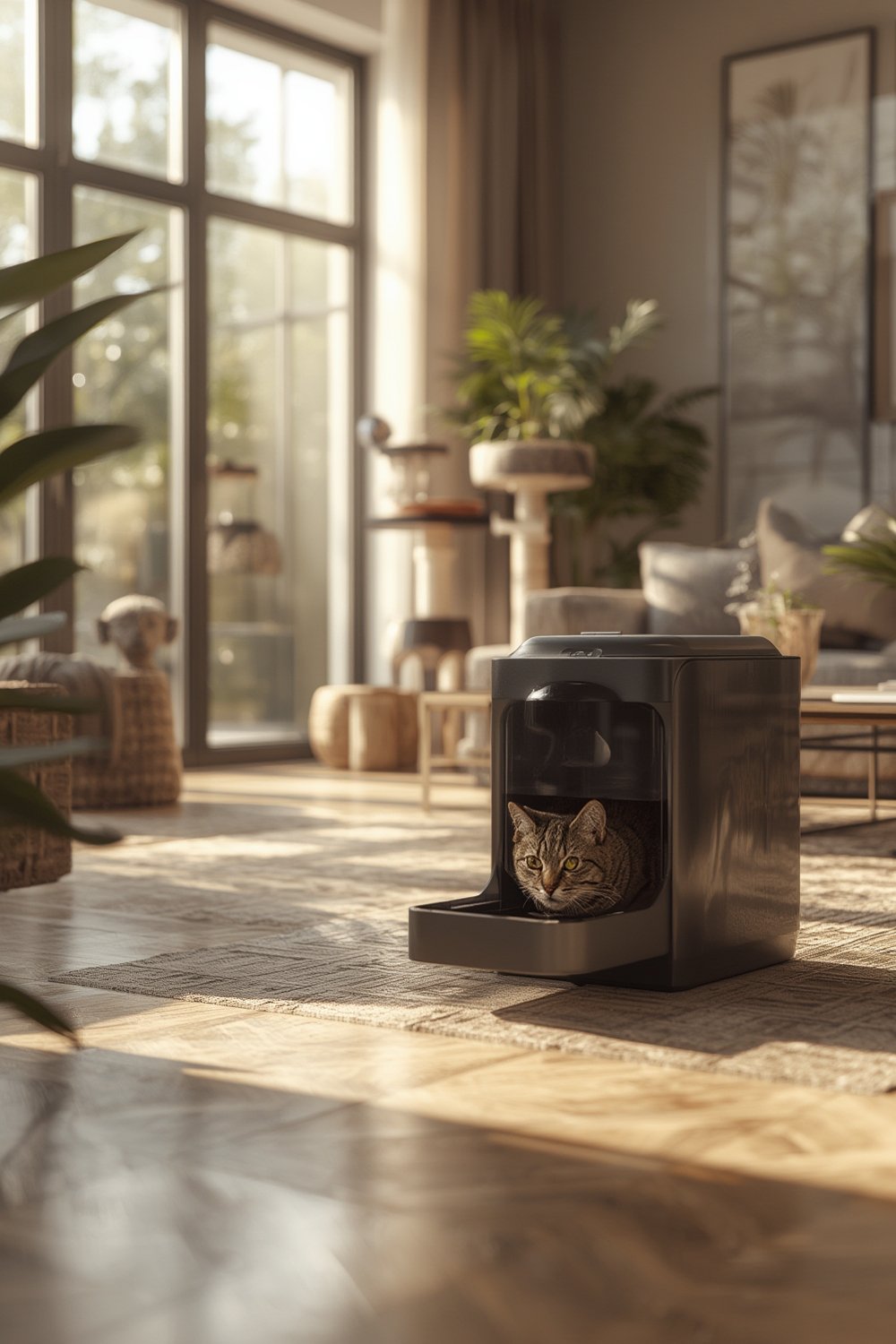
The market for self-cleaning cat litter boxes is getting bigger around the world. People think it will be worth a lot of money by 2026, around $1.91 to $2.06 billion. North America is using these machines the most because a lot of people have pets and like using technology. More and more people want self-cleaning litter boxes because they make their lives easier and they also care about their health and the environment. Over 60% of people who have cats in cities want litter boxes that can send them messages and let them check on their cats from afar.
If you want to learn more, about things that can help your cat you can read our reviews of cat products. We compare litter boxes to other things your cat needs to be healthy and happy.
How to Get the Most Out of Your Automatic Self-Cleaning Litter Box (Step-by-Step)
Select the Right Model for Your Home
When you are picking out a model for your home you need to think about a things. You have to consider the size of the model how waste it can hold, how loud it is and how many cats you have in your home. If you have than one cat you should look for a model that says it can handle multiple cats because most models are made for just one cat and might not work well with many cats. You should also think about the features and if it can connect to an app because some models can send you messages about how it is being used and if your cat is healthy while others just have basic cleaning settings. If you care about the earth you should check if the model is made in a way that’s good for the environment.
Prepare Your Cat for the Transition
It is very important to introduce the model to your cat slowly. You should put the model next to the old one and fill it with the same litter your cat is used to. Then you just let your cat go and explore the model at its own pace. If your cat is scared you can leave the model near the new one but do not clean it so your cat can try the new one. You can also use treats or catnip near the model to make your cat like it.
Set Up and Calibrate the Device
You need to put the model by following the instructions that come with it. Make sure all the parts are working properly and not blocked. Then you connect it to the internet or Bluetooth. Download the app that comes with it. You can set the cleaning schedule to fit your cats habits. If your model can track your cats health you should turn that on because it can send you messages if your cat is having problems with its bathroom habits.
Establish a Maintenance Routine
You should empty the waste box a times a week or when the app tells you to. You should also check the model regularly to make sure it is working properly and update the software if you need to. Every month you should clean all the parts that you can take out. The model does not smell bad and lasts longer.
Troubleshoot and Optimize
If the model gets stuck you should check if there is much litter or if there are wet clumps or things that do not belong. If the model smells bad all the time you can try using litter that clumps well or you can buy something to make it smell better. If your cat does not want to use the model you should go back, to the steps that help your cat get used to it or you can ask your vet for help.
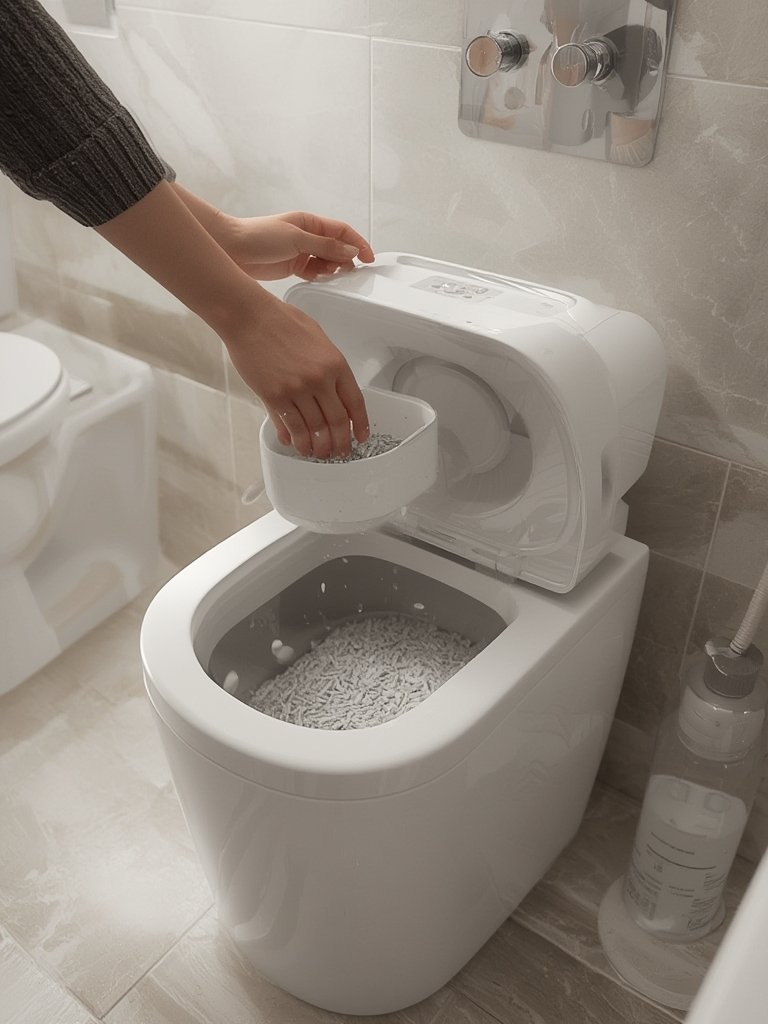
Want to support your cat’s health further? Pairing your automatic litter box with cat probiotic supplements helps ensure optimal digestive balance and makes litter box behavior even easier to monitor.
Advanced Analysis & Common Pitfalls
While auto-cleaning litter boxes are game-changers for many cat owners, real-world challenges and complaints do exist. Here’s a breakdown of the most common pitfalls, based on market research and indirect user feedback:
- Noise Issues: Although major brands have improved cleaning cycles, sensitive cats may still be spooked by humming, motor sounds, or mechanical rakes. Placement in a quiet, low-traffic corner can help minimize stress.
- App Connectivity Glitches: Not all Wi-Fi connections are reliable. Occasional dropped signals or slow syncing can lead to missed notifications, especially in homes with spotty internet service.
- Device Jams: Wet litter, clumping issues, excess waste, or small toys can cause rakes or drums to jam. Regular cleaning and monitoring is essential.
- Odor Control Limitations: Standard carbon filters may not be enough for homes with multiple cats or highly sensitive noses. Upgrading filters or cleaning more often is sometimes necessary.
- Acceptance and Transition Problems: Some cats outright refuse new boxes. Slow introduction and positive reinforcement are crucial, but in rare cases, stubbornness or stress can persist for weeks.
- Upfront and Recurring Costs: High-end units can cost $350-$750 or more, not including ongoing supply expenses for compatible litter, liners, filters, and power usage.
Most brands tout their reliability, yet even market leaders have occasional warranty claims and dissatisfied users (though published, comprehensive complaint data is limited). According to market studies, 65,000+ five-star reviews for Litter-Robot suggest high satisfaction, but not every brand or model delivers comparable results—especially with longevity beyond the first 18-24 months.
See our full section on dog products and care tips if you’re managing a multi-pet household, as compatibility and odor management needs can be very different for dogs and cats.
| Feature | Litter-Robot (Whisker) | PetSafe | Traditional Litter Box |
|---|---|---|---|
| Self-cleaning | Yes, motorized drum | Yes, rake or gravity | No, manual scooping |
| Wi-Fi/App Alerts | Yes (usage, jam, full bin) | On select models | No |
| Capacity | 1-4 cats | 1-2 cats | Varies |
| Noise Level | Medium (quieter on new models) | Low/medium | Silent |
| Cost (Upfront + Yearly) | $500–$950; +$80–$200 supplies | $200–$400; +$50–$120 supplies | $10–$40; +$40–$80 supplies |
| Behavioral Suitability | Most cats accept; some require slow intro | More acceptance trouble with noise/size | Universal |
To help cats feel better some people who own cats want to give them probiotics to help with their health. This is especially true if their cat has trouble going to the litter box or has stomach problems. When cats have digestion they usually use the litter box at the same times every day.
- Veterinary and Behavioral Considerations: If you own a cat you should think about what your veterinarian says and how your cat behaves. Now people are learning that it is a good idea to keep an eye on your cats health to catch any urinary problems early. Not all automatic litter boxes are good at noticing when something is wrong. There is not a lot of information about whether these litter boxes can cause stress for cats over a time or if the apps that come with them can really tell what is wrong, with your cat. So you need to watch your cat for signs of anxiety. If they start avoiding the litter box.
Conclusion: Is an Automatic Self-Cleaning Litter Box Right for You?
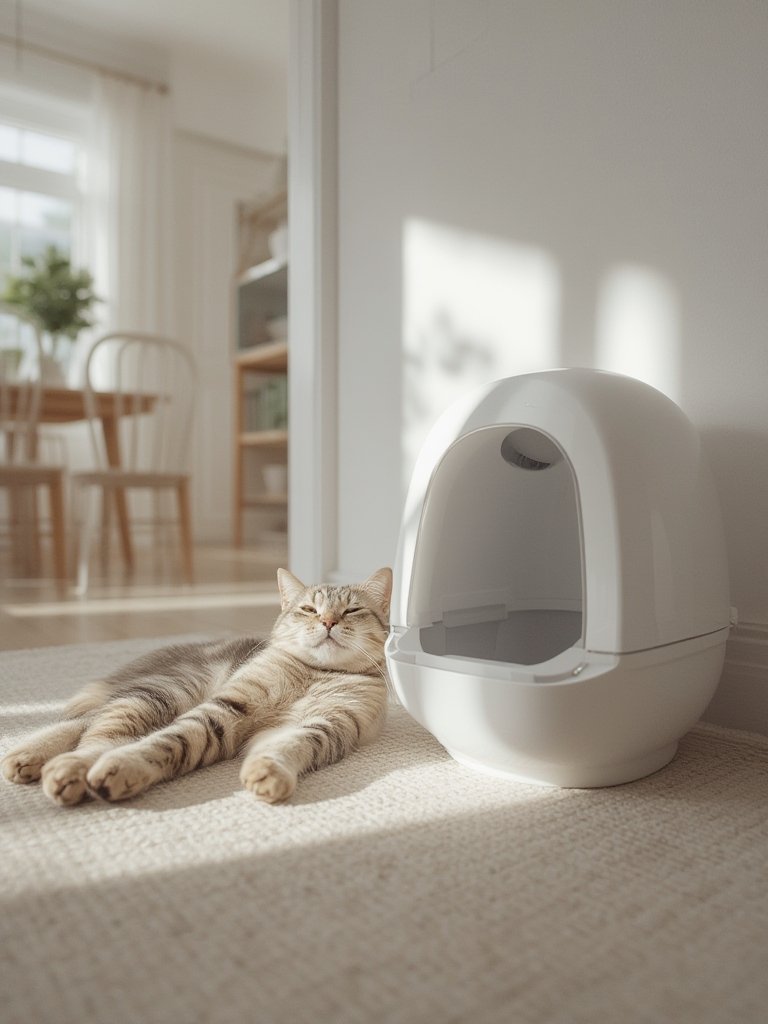
For cat owners an automatic self-cleaning litter box saves a lot of time. This is especially true for those with lives. It helps keep your home clean and healthy. Some automatic litter boxes can even detect health problems early. They do this by connecting to an app on your phone.. Some cats do not like the change. You also have to pay for replacement parts over time. So think carefully before buying one. Consider your cats personality and your home situation.
If you are thinking about getting a self-cleaning litter box look for one that fits your home. Watch your cats behavior as they get used to it. Do cleaning to keep it working well. For tips on taking care of your pet check out our latest reviews of cat accessories. We also have a guide, to cat supplements.
Ready to upgrade your cat’s routine? Start your smart litter box journey today—and let us know your experience in the comments!
FAQ
Are automatic self-cleaning litter boxes safe for all cats?
Healthy adult cats can use automatic self-cleaning litter boxes just fine.. Kittens, very old cats or those with mobility issues may need extra supervision. You should always check that your device has sensors and allows you to control it manually when you first introduce it to your cat.
How often do I need to empty or clean an automatic self-cleaning litter box?
You won’t have to scoop but you will still need to empty the waste drawer and check the litter level a few times a week. Most models need this 2 to 3 times a week. Also it’s an idea to do a full deep clean every 2 to 4 weeks to prevent bad smells.
What if my cat refuses to use the new automatic box?
Some cats take a little longer to get used to it. Try introducing it use litter they are familiar with offer treats and keep the automatic function off for a few days. If your cat still doesn’t want to use it you should talk to a veterinarian or a feline behaviorist, for advice
Which brands make the best automatic self-cleaning litter boxes?
Litter-Robot, by Whisker seems to make one of the best automatic self-cleaning litter boxes. PetSafe also makes ones. When you’re choosing, compare features read reviews and think about what kind of support you want after you buy it.
Do automatic litter boxes really detect health problems?
Some smart automatic litter boxes can track how your cat uses it. This can help you spot changes that might mean your cat has a health problem, like tract issues.. These should not replace regular check-ups with your veterinarian. You should still take your cat to the vet regularly.

[…] for more ways to enrich your cat’s life? Explore our self-cleaning cat litter box reviews for expert-rated accessories that boost hygiene and well-being indoors as […]
[…] up a litter box in a quiet spot, away from the party area, so your cat always has a safe […]