

Dog probiotics and prebiotics are really important for people who want to help their dogs gut health and deal with problems like stomachs or allergies. New research from 2026 shows that these supplements can be very helpful. There are also some things to think about before you start giving them to your dog.
Key Takeaways
- Recent studies show that dog probiotics and prebiotics are good for gut health stool quality and immune support.
- You need to be careful when choosing a product and watch for changes in your dog.
- There is not a lot of information about how these supplements work for dogs so you need to be careful and track how your dog is doing.
- What Are Dog Probiotics and Prebiotics (and Why Should You Care)?
- Step-by-Step Guide to Using Dog Probiotics and Prebiotics
- Advanced Analysis & Common Pitfalls
- Conclusion
- FAQ Section
What Are Dog Probiotics and Prebiotics (. Why Should You Care)?
Dog probiotics are bacteria that help your dogs gut health. Prebiotics are fibers that feed these good bacteria. This matters because new research from 2024 shows that these supplements can really help your dogs digestion, immune health and even allergy symptoms.

A study from 2024 looked at what happens when you use the SCIME platform in a lab. This study found that when you combine prebiotics and probiotics which are called synbiotics it helps good bacteria like Bifidobacterium and Faecalibacterium grow in a dogs gut.
Another study from 2024 worked with puppies. Found that a special blend of prebiotic fibers helped make their stool better and improved other signs of good gut health over a few months. This is really important because it shows that prebiotics and probiotics can really help a dogs gut health.
For dogs that get allergies a review from 2024 found that probiotics can help reduce bacteria like E. Coli and Clostridium perfringens in dogs with skin problems.. Here is the thing: not every probiotic or prebiotic product will work the same for every dog. Dog probiotics and prebiotics are different. Some are better than others.
If you want to find probiotics or prebiotics for your dog or if you just want some tips, on how to take care of your dog you should look at our reviews of dog products and cat products. We give you advice and compare different products so you can make a good choice.
Step-by-Step Guide to Using Dog Probiotics and Prebiotics
Check with Your Vet. Before adding a supplement talk to your vet especially if your dog has allergies or tummy issues. They can suggest products that work or help pick the one.
- Choose a Clinically Supported Product. Look for supplements that say what kind they are like Bifidobacterium animalis BPL1 or Lactobacillus reuteri. It is good if it says how much is in it. A third-party check is a thing.
- Start Low and Slow. Add the supplement over a few days to avoid upsetting your dogs stomach. Some gas is okay.
- Monitor and Track Changes. Pay close attention to your dog’s stool quality, energy level, allergies, and appetite. Take notes or use a digital pet health tracker.
- Adjust as Needed. If your dog gets sick stops using. Call your vet. If not keep using it for a months to see if it helps.
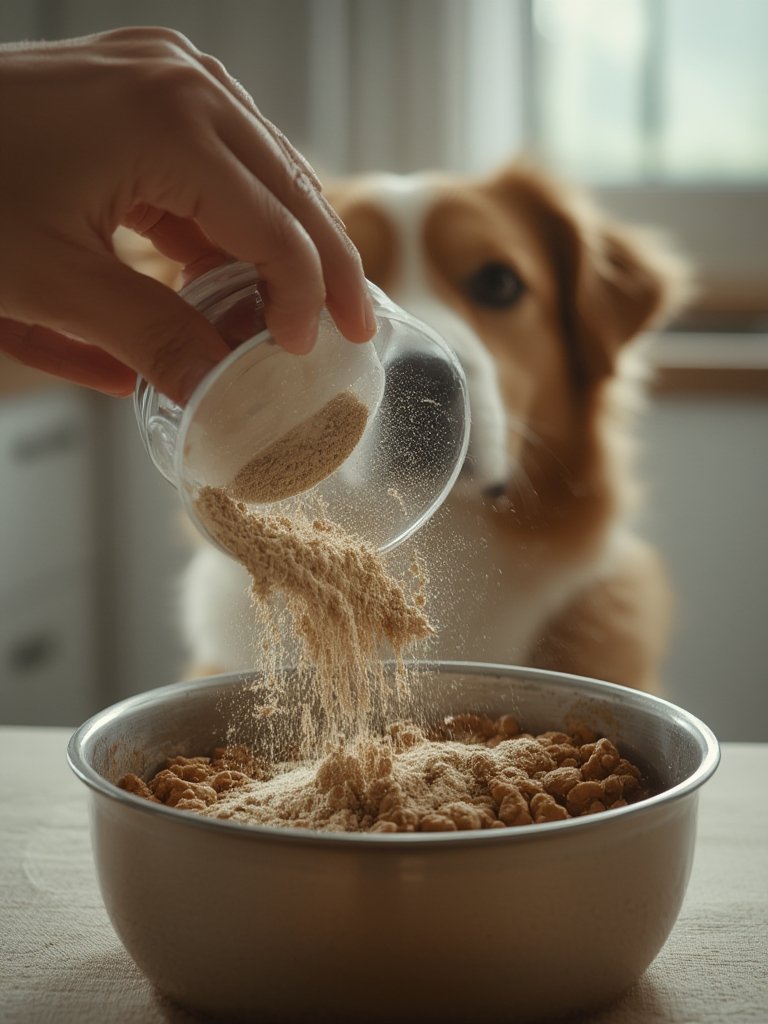
Some people who own dogs see results but for many dogs it takes a long time to see real changes in things like the good bacteria, in their body and how well they digest food. You should make a list to check on your dog every week. Look at your dogs poop. Is it firmer. Does it smell less? Do your dogs allergies seem better. Are they scratching less. Do they have fewer hot spots? Is your dogs energy level and mood better? If you want to keep track of how your dog’s doing you can read what we think about the best things you can buy for your dog.
Advanced Analysis & Common Pitfalls
Not all probiotic and prebiotic products are created equal. Here’s what 2024 research and clinical data reveal about common pitfalls and product variability:
| Factor | Clinical Reality / Pitfall | Actionable Tip |
|---|---|---|
| Strain Selection | Many products list “proprietary blends” without clear strain info. Only certain strains (e.g., BPL1™, L. reuteri) have clinical backing. | Choose supplements with named strains and published studies for dogs. |
| CFU Count | Some supplements have no guaranteed CFU at expiration, which can leave the product ineffective by the time you use it. | Look for guaranteed CFU counts through the full shelf life. |
| Allergy Claims | Research shows gut benefits but not conclusive proof that probiotics “heal” allergies in every dog. Symptom relief varies. | Track allergy symptoms and work with your vet. Don’t expect a “cure.” |
| Digestive Upset | Occasional gas, softer stool, or mild diarrhea can occur, especially when switching diets suddenly. | Introduce products slowly. If symptoms persist, pause and consult your vet. |
| Label Quality | US, Canada, and UK have minimal regulatory oversight for pet supplements. Mislabeling and exaggerated claims exist. | Stick to reputable brands—check for third-party testing and clear ingredient lists. |
Dog probiotic supplements are different from cat supplements. With cat supplements you can compare different brands and how they are given to the cat.. The dog supplement market is not the same. There are no rules that everyone follows. It is hard to compare things. In 2024 the prices of dog supplements are all, over the place. The types of dog supplements and what people think of them are also very different. Some people see changes when they give dog probiotic supplements to their dogs. For example their dogs appetite might. They might get allergies.. Some people do not see any changes at all when they give dog probiotic supplements to their dogs. In the same house dog probiotic supplements can affect dogs in different ways.

Conclusion
Dogs can have digestion and healthier immune systems when they take dog probiotics and prebiotics. This is especially true for dogs that have stomachs or allergies. To get the results you need to pick the right products watch your dog closely and know what to expect. If you want to know about brands or what other people think of certain products you can look at our reviews of dog products and cat supplies. We also have a guide to cat probiotics if you have a cat.
If you want your pet to be really healthy you should talk to your veterinarian about dog probiotics and prebiotics. This way you can make a choice and feel good about it.
You can start helping your dog today. Talk to your veterinarian pick a brand that’s honest about what is, in their products and start keeping track of how your dog is doing with dog probiotics or prebiotics. Your dog could have a stomach in just a few weeks.
FAQ Section
Are dog probiotics and prebiotics to use every day?
Dog probiotics and prebiotics that you can buy in stores are usually made to be used every day.. You should start with a small amount and see how your dog reacts. You should also talk to your veterinarian first. If your dog has problems with their system or is taking medicine you need to get advice from a professional.
How long does it take to see benefits from dog probiotics?
Some people notice that their dogs poop is better or they have energy after a week.. It usually takes between 4 to 12 weeks of using dog probiotics every day to see big improvements in their gut. You have to be patient and give them the probiotics all the time.
Can probiotics cure my dog’s allergies?
No dog probiotics cannot make allergies go away. Dog probiotics might help a bit with symptoms like itching and stomach problems.. You should not use them as the only treatment. They are best used to help your dog feel better along with treatments.
How do I know if a dog probiotic supplement is high quality?
You should look for the types of probiotics that are in it and how many are in each dose. You should also look for labels that say the product was tested by someone and that the ingredients are clear. Do not buy products that have ingredients or make claims that are not true.
Is there a difference between dog and cat probiotic supplements?
Yes there is a difference. Probiotics for dogs are made for dogs and probiotics, for cats are made for cats. They have kinds of probiotics because dogs and cats have different gut problems. If you need probiotics for a cat you can read our guide to cat probiotics.

[…] you’d like to create an even more tailored enrichment strategy, check out our guide to dog probiotics and prebiotics to support digestion along with mental […]
[…] proteins as the first ingredient. Avoid fillers, unnamed meats, and excessive additives. Refer to dog digestive health supplements if targeting gut […]
[…] specialized advice, see our deep dives on dog digestive health or cat probiotics. Ready to take action? Start by speaking with your veterinarian and researching […]