

How to travel with pets is a question more Americans and global pet owners face than ever before, with over 67% of U.S. households now owning pets. As interest in pet-friendly travel soars, understanding realistic strategies—and the limits of what airlines, hotels, and gear can offer—matters more than ever. In this guide, you’ll get straightforward, no-nonsense steps, pitfalls to avoid, and current market data so you know exactly what works and what doesn’t.
Key Takeaways
- 67% of U.S. pet owners now travel with their pets, but legal and gear requirements are still complicated and often unclear.
- Pitfalls abound: out-of-date gear lists, unclear airline rules, and limited expert-backed calming strategies cause frustration.
- Success depends on customizing your plans for each pet, trip, and transportation mode—one-size-fits-all rarely works.
- What Is Pet Travel and Why Does It Matter?
- Step-by-Step Guide to Traveling with Pets
- Advanced Analysis & Common Pitfalls
- Conclusion
- FAQ: How to Travel With Pets
What Is Pet Travel and Why Does It Matter?
The core of how to travel with pets is blending your travel needs with the needs—and limitations—of your animal companions. With the U.S. pet travel services industry worth over $659 million and surging internationally, more people are on the road (or in the air) with pets than ever before. In recent years, 67% of U.S. pet owners have traveled with pets, mostly by car (39%) but increasing by plane too, reflecting not just a trend but a shift in lifestyle and expectations. Still, there is no universal playbook: every mode of transport, pet breed, and destination presents unique choices and challenges.
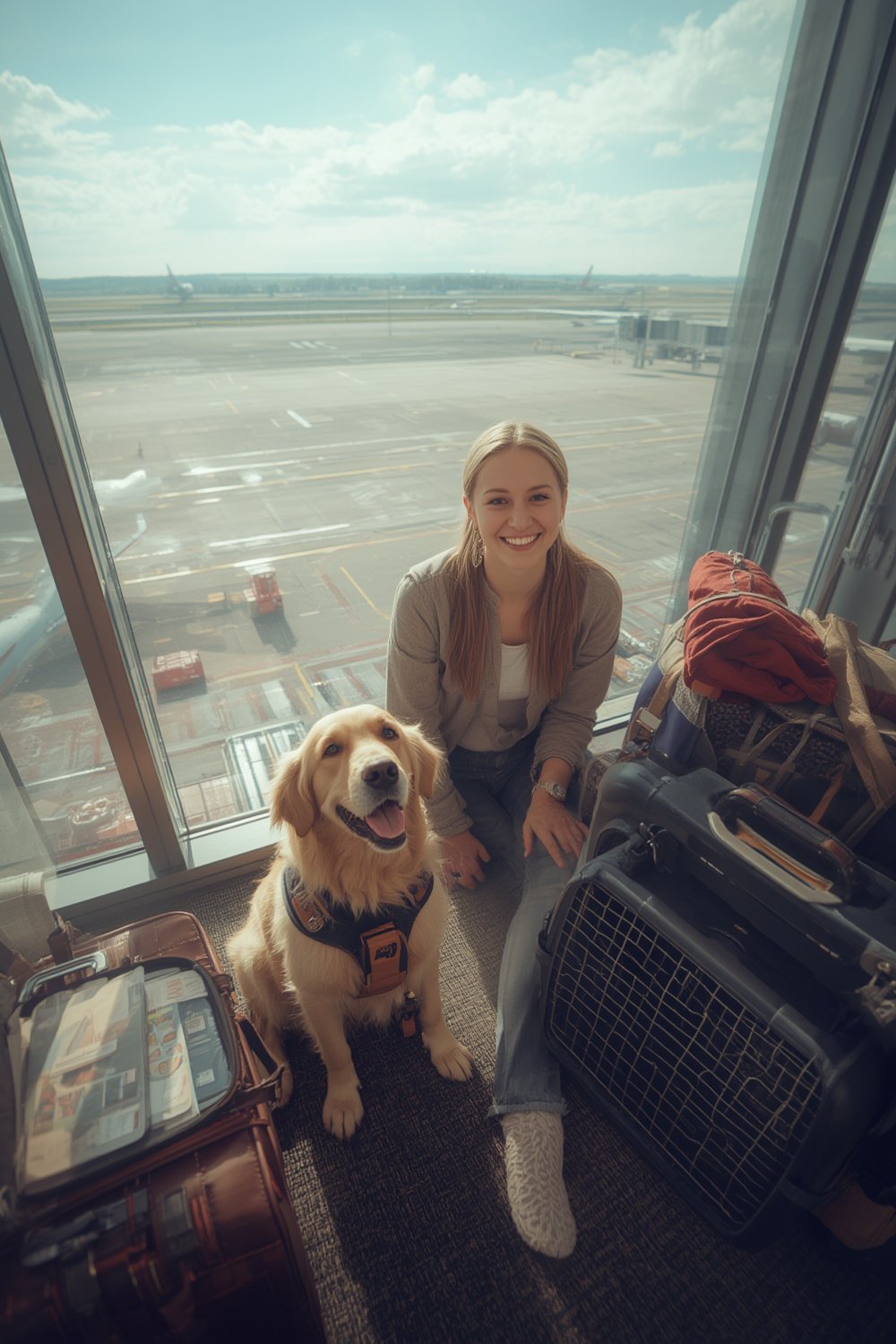
Failing to plan for specific needs—like those for elderly pets or certain breeds, or navigating unclear airline or hotel policies—can turn a dream trip into a logistical headache. The goal: prepare and research for your exact situation, not just generic advice.
Step-by-Step Guide to Traveling with Pets
1. Assess Your Pet and Your Trip
- Identify your pet’s physical and emotional limits: age, anxiety, mobility, breed restrictions (e.g., for brachycephalic dogs—flat-faced breeds with some airlines).
- Decide if travel is truly safe or if reliable boarding/house-sitting is better.
2. Choose the Right Mode of Transport
- Car: Usually the most flexible option, but still requires planning. Use crash-tested travel seats or crates for safety and hydration.
- Air: Requires airline-approved carriers, advance booking, and up-to-date health certificates. Breed restrictions apply.
- Train/Buses: Most U.S. trains and buses have tight limitations. Research company rules before planning.
3. Book Pet-Friendly Accommodations Early
- Use reputable, reviewed sites or apps—not every “pet-friendly” hotel truly welcomes pets, and hidden fees are common.
- Read recent reviews to check for noise issues, cleanliness, or animal size restrictions.
4. Prep Legal and Health Documents
- Visit your vet for an exam and updated health certificate—especially for air travel. Requirements vary, and airlines/hotels don’t always clearly state specifics.
- Keep paper and digital copies of all documents. Check for required vaccines or breed bans at your destination.

5. Pack Smart: Essential and Comfort Gear
- Carrier/Seat: Choose crash-tested, comfortable models. See guides for dog products and cat supplies.
- Food/Water: Collapsible bowls, favorite food, bottled water, and travel-friendly toppers (dogs, cats).
- Calming solutions: If your pet gets anxious, consider toys (dog enrichment), blankets, or vet-recommended calming aids—though 2024 offered few expert-backed product endorsements.
- Emergency gear: Vet contacts, medications, and first-aid kit.
6. Prepare for The Journey
- Do trial runs in the car or the carrier for increasing lengths of time.
- Ensure pets are microchipped and tagged with updated info.
- Never sedate pets unless your vet specifically recommends it (safety risk on planes).
7. During Travel: Manage Stress and Safety
- Stick to regular feeding and potty-break routines as much as possible.
- Monitor your pet’s breathing, eating, and stress—some breeds face temperature or anxiety risks in unfamiliar situations.
- Avoid leaving pets alone—hot cars and unfamiliar hotel rooms pose serious risks.
Advanced Analysis & Common Pitfalls
Common problems:
- Lack of up-to-date information: As of 2024, most airlines, hotels, and gear brands still do not publish clear, transparent rules, prices, or banned animal lists online. You’ll need to check and confirm details for every new booking or carrier.
- Health & breed issues: Seniors, some cat and dog breeds, and pets with pre-existing conditions require extra planning. No market reports in 2024 offered expert-calming solutions or gear recommendations.
- Hidden fees and surprise rules: “Pet-friendly” is rarely all-inclusive. Fees, cleaning deposits, weight/size caps, and sometimes breed embargoes may appear after booking.
- Carrier or gear mismatches: No published average prices or brand comparisons for best-rated carriers or travel seats in 2024, making it tough to verify quality or value unless you use trusted review guides (see here).
- Training gaps: Skipping short “practice” trips often leads to anxiety or motion sickness on the real journey.
Here’s a quick summary table for reference:
| Aspect | Car | Airplane | Train |
|---|---|---|---|
| Rules/Restrictions | Few. State lines may have animal import laws. Gear safety key. | Strict. Carrier size, breed, and health certificates required. Airlines differ. | Most US trains ban pets. Some allow small pets, with cage size/weight limits. |
| Safety | Best if using crash-tested carriers/boosters. Risk of heat if left alone. | Temperature control and handling vary. Cabin vs. cargo divide. | Typically only for small pets, restricted movement. |
| Gear Suggestions | Crash-tested seat, collapsible bowls, calming toys. | Airline-approved carrier, absorbent bedding, ID. | Small carrier, water bottle, brief trips only. |
Reliable gear and product reviews are found in guides like best dog products and cat supplies. Read them before investing.
For in-depth market and regulatory data, see reports from Grand View Research and Gitnux.

Conclusion
Preparing for a trip with your pet calls for up-to-date info, tailored checklists, and a healthy dose of realism—especially since both regulations and brand quality can be murky. Never assume a “pet-friendly” label means no extra costs or restrictions. Instead, invest time in research, trial runs, and carefully-chosen gear (see travel accessories guide), then enjoy the journey. Whether by car or air, the key to how to travel with pets safely and happily is planning for your individual pet, not the average case. Ready to upgrade your next adventure? Start with your pet’s needs—and your exact route—today.
FAQ: How to Travel With Pets
What documents do I need to travel with my pet in 2024?
For most airlines and some hotels, you need a current health certificate from a licensed veterinarian, proof of vaccinations, and often proof of microchipping. Always check with your carrier and destination, as rules and required documents vary by airline, state, and country.
Are there airlines that don’t allow certain breeds?
Yes. Many airlines restrict brachycephalic breeds (like pugs, French bulldogs, Persian cats) due to increased risk of breathing issues. Check with the airline when you book, as rules change and can vary on domestic versus international flights.
What’s the safest way to travel by car with my pet?
Use a crash-tested harness, crate, or travel seat in the back seat. Bring collapsible bowls, familiar bedding, and avoid feeding right before long drives to prevent motion sickness. Never leave pets alone in a parked car, especially in hot or cold weather.
How can I calm my anxious pet during travel?
Try short practice trips with treats and familiar items (blanket, favorite toy). For severe anxiety, consult your vet early—sedatives may be dangerous. Calm-music playlists or travel-friendly enrichment toys (see dog enrichment solutions) may help. In 2024, few calming supplements had strong expert endorsements, so rely on proven comfort methods first.
Are pet-friendly hotels really pet-friendly?
Many pet-friendly hotels have strict weight, breed, or number-of-pets restrictions, and usually charge additional fees per night. Always contact the property directly and read recent guest reviews before booking.